By Allen Loftis
November 4, 2026
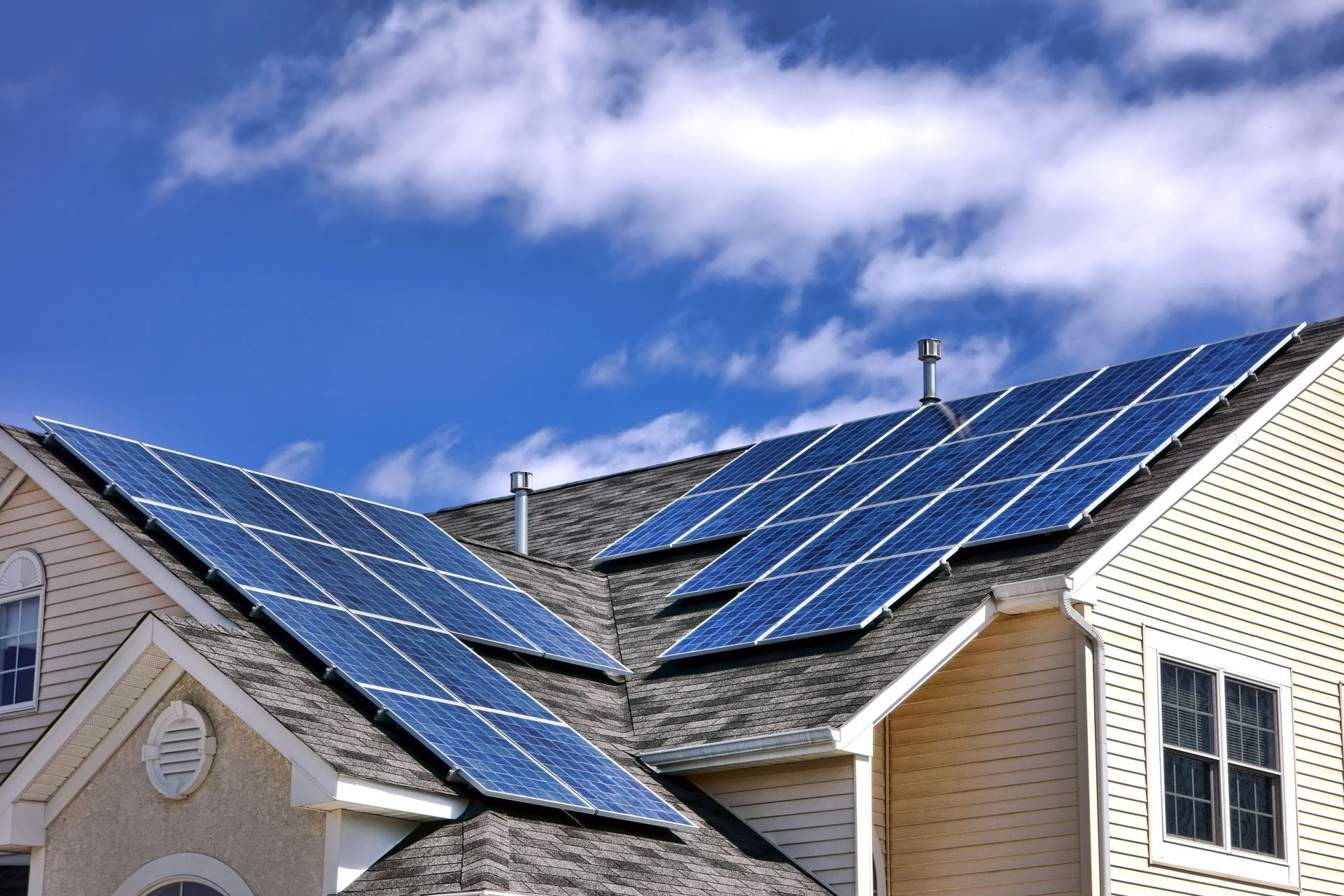
Investing in rooftop solar technology represents one of the smartest decisions a property owner can make to lower electrical bills, gain energy independence, and support a cleaner future. Across the country, adoption is accelerating at an unprecedented pace. According to the Solar Energy Industries Association, the United States exceeded six million solar installations in 2026, just two years after reaching the five million mark. As millions of homes and commercial facilities transition toward photovoltaic power, safeguarding that investment through proactive maintenance becomes essential.
Solar systems are engineered to withstand harsh weather, seasonal temperature shifts, and decades of environmental exposure. However, photovoltaic cells rely strictly on unobstructed sunlight reaching their surface to generate electrical current. When contaminants settle across the glass face of your modules, overall generation capability declines noticeably. While natural precipitation rinses away loose surface dust, rainfall rarely provides the deep wash required to remove stubborn grime, tree resins, or airborne particulate matter. In many cases, gentle rain actually exacerbates the problem by clumping particulate matter into dense streaks along the lower edges of the frames. Knowing when to arrange professional cleaning services ensures your array continues producing maximum energy output year after year. Here are seven clear indicators that your system requires thorough, professional attention.
1. Observing a Persistent Drop in Energy Production
Tracking electrical output is the most reliable method for detecting performance issues before they escalate. Modern inverters and cloud-connected smartphone applications allow owners to monitor real-time kilowatt-hour generation alongside historical seasonal trends. If you observe a steady, inexplicable downward drift in power production during bright, cloudless periods, surface obstruction is frequently the primary culprit.
Because photovoltaic modules are wired together in series strings, an accumulation of dirt on just a few panels can degrade the electrical throughput of the entire circuit. Scheduling comprehensive cleaning services restores the transparency of the front glazing, allowing each individual cell to operate at its rated capacity and preventing system-wide efficiency loss.
2. Spotting Visible Grime and Mineral Crust
A visual inspection from the ground often reveals substantial layers of physical pollution clinging to your installation. Airborne dust, vehicle exhaust particles, agricultural soils, and construction debris inevitably settle over the tempered glass. Over time, recurring dew cycles bake these tiny particles onto the panel exterior, forming an opaque film that simple wind or light rains cannot dislodge.
In arid climates, dusty valleys, or neighborhoods near major highways and industrial corridors, this accumulation builds rapidly. When panels lose their deep reflective shine and take on a matte, chalky appearance, ordinary washing methods are rarely sufficient. Engaging professional cleaning services guarantees the safe removal of adhered particulate matter without abrasive tools that could permanently scratch anti-reflective optical coatings.
3. Noticing Dried Salt Rings and Hard Water Marks
Water spots present a severe threat to solar cell longevity and performance. Properties located near automatic lawn irrigation systems often experience overspray that repeatedly hits rooftop panels. Tap water and well water contain dissolved minerals like calcium, magnesium, and silica. As sprinkler mist evaporates beneath intense afternoon sunlight, those minerals stay behind, forming rock-hard chalky rings.
Similarly, light intermittent showers during high-pollen seasons create muddy puddles that dry into baked-on residue. These hardened deposits do not dissolve easily during subsequent storms. In fact, attempting to wash them away with standard residential tap water and a garden hose frequently adds new layers of mineral scale. Specialized cleaning services utilize multi-stage deionized filtration systems to break down existing scale and leave a spot-free, pristine finish that resists rapid re-soiling.
4. Finding Bird Droppings and Organic Residue
Birds, squirrels, and insects frequently congregate on rooflines, using the upper edges of panel frames as convenient perches. Consequently, bird droppings and insect debris represent a widespread and stubborn hazard for solar arrays. Avian droppings are completely opaque, preventing all sunlight from reaching the cells directly beneath them.
Beyond blocking sunlight, bird droppings are highly acidic and chemically complex. If left exposed to extreme solar heat, these deposits etch into the glass and damage protective laminates. Worse yet, because a heavily soiled cell produces zero current while adjacent cells are active, extreme electrical resistance occurs within the module. This phenomenon causes localized hot spots that can permanently melt internal solder joints or crack protective tempered glass. Routine solar cleaning services eliminate biological contaminants before they lead to permanent hardware destruction.
5. Detecting Accumulated Pine Needles and Foliage
Mature trees provide welcome shade for outdoor living areas, but overhanging branches deposit considerable amounts of organic debris onto nearby roofs. Falling autumn leaves, sticky tree sap, pine needles, seed pods, and blossoming flowers regularly land on panel faces. Pine needles and leafy matter often catch behind the aluminum framing, creating moisture traps along the perimeter seals.
As foliage decomposes in damp conditions, it releases acidic tannins that stain glass surfaces and create ideal environments for moss, lichen, and algae growth. Plant life taking root along the lower borders of your panels can lift silicone seals, allowing moisture intrusion into delicate electrical components. When organic matter begins gathering across panel banks, scheduling external cleaning services clears the blockage, preserves weatherproofing seals, and ensures uncompromised solar absorption.
6. Identifying Post-Storm Soot and Wildfire Ash
Weather anomalies and regional environmental hazards can degrade solar performance almost overnight. Heavy dust storms carry abrasive sand particles that settle into dense coats across entire neighborhoods. Even more concerning is the fallout from regional wildfires or seasonal agricultural burning, which coats entire counties in fine soot, hydrocarbon residue, and oily ash.
Wildfire ash is chemically caustic and contains oily compounds that bond strongly to glass. A single heavy smoke event can slash system output by twenty to forty percent within days. Rain following a smoke event creates a pasty, conductive sludge that coats electrical junctions and hardens into an impenetrable shield. Promptly scheduling exterior cleaning services after severe weather or smoke exposure eliminates oily soot, clears abrasive grit, and restores critical solar capture.
7. Reaching the Annual Manufacturer Maintenance Interval
Even if your array appears relatively clean from your driveway, invisible environmental factors gradually reduce efficiency. Thin layers of environmental grime, microscopic chemical pollutants, and industrial emissions accumulate slowly over months of operation. Many equipment manufacturers recommend or mandate regular professional washes within their warranty guidelines to protect optical efficiency and validate warranty coverage.
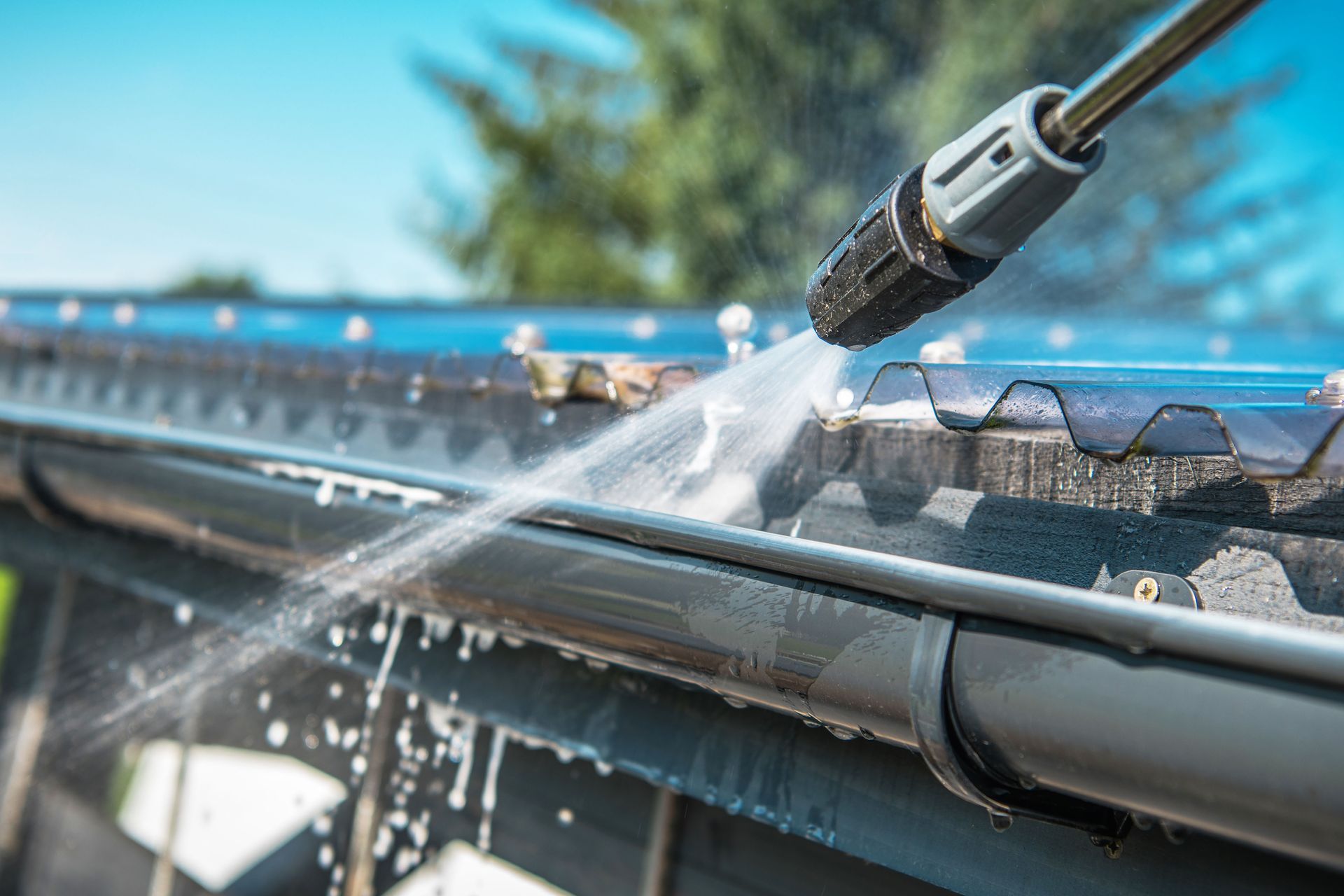
High-pressure sprayers can shatter glass or compromise watertight seals, while standard detergents leave behind microscopic chemical films that attract airborne dirt twice as fast. Investing in regular, professional cleaning services delivers calibrated water pressure, purified demineralized water, and purpose-built non-abrasive tools to preserve your warranty while keeping power generation at its absolute peak.
Allowing dirt, calcified minerals, bird droppings, and seasonal debris to sit on your solar panels directly diminishes your return on investment and strains internal system components. Clean solar modules yield higher electrical production, translate into lower utility bills, and ensure that your system operates safely throughout every season.
When your installation displays any of these warning signs, turn to the trusted local experts at Let the Light Shine Through. Serving Draper, Sandy, Salt Lake County, and surrounding Utah communities, our licensed and insured team brings decades of combined experience, specialized pure-water cleaning systems, and meticulous craftsmanship to every residential and commercial project. Protect your equipment, preserve your roof, and maximize your energy harvest by contacting Let the Light Shine Through today to schedule your comprehensive solar panel maintenance.